
Digital Marketing
AI vs. Human Marketers: Who Holds the Edge
- Published
- 4 min read
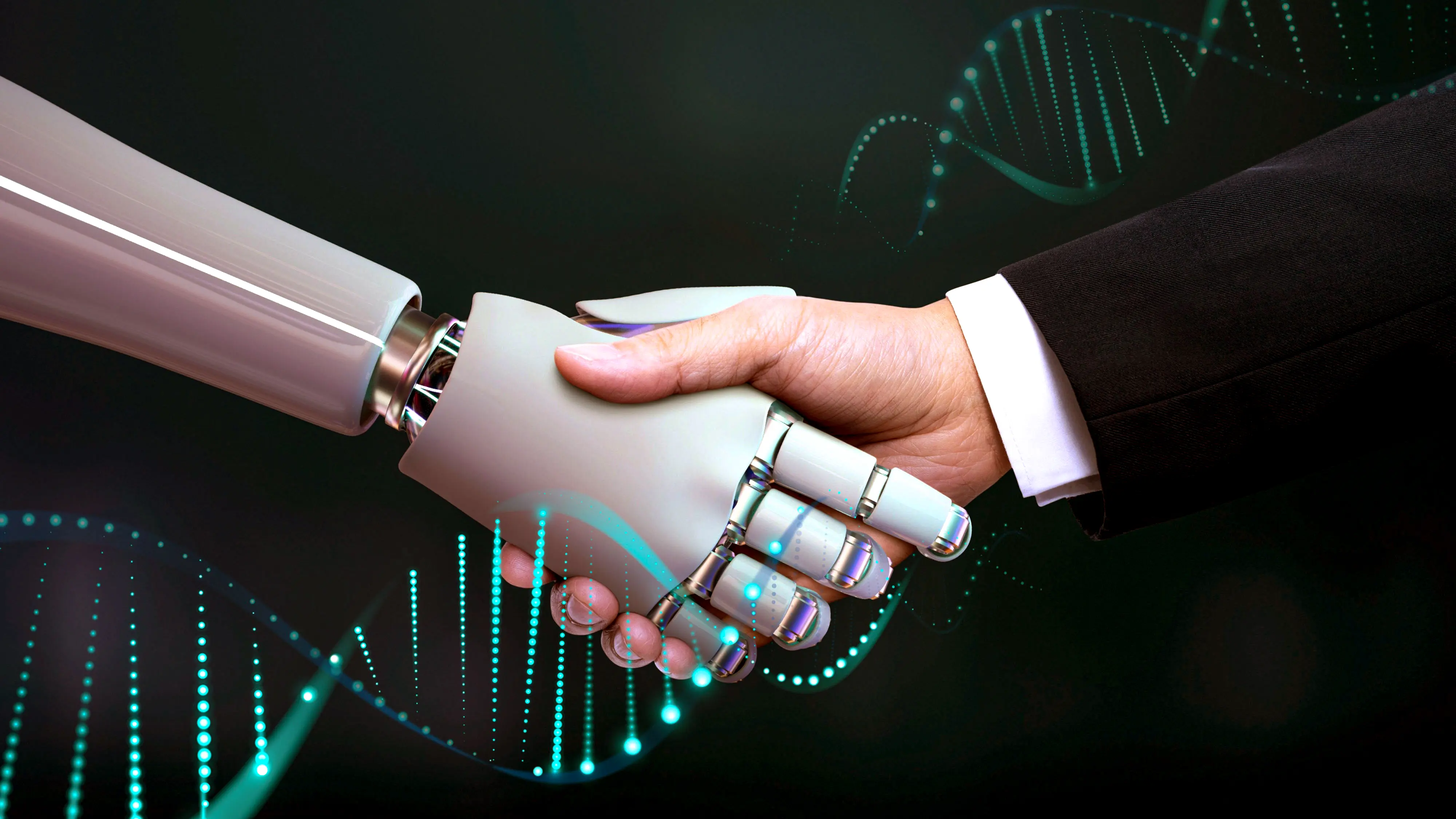
AI marketers win on speed, scale and data, while human marketers win on creativity, empathy and judgement. The strongest results come from combining both: let AI handle the heavy lifting and let people guide strategy, quality and brand voice.
What Is the AI vs. Human Marketing Debate?
The debate is about how much of your marketing should be handled by AI tools and how much by people. AI can write copy, analyse campaigns, segment audiences and automate tasks in minutes. Human marketers bring experience, creativity and an understanding of people that data alone cannot give.
It matters because the choice affects your costs, your content quality and how your brand is seen. Most businesses do not need to pick a side. They need to know what to hand to each.
8 Areas Where AI and Humans Compete
Area: Speed
Where the Edge Lies: AI produces drafts, ideas and reports in seconds
Area: Creativity
Where the Edge Lies: Humans bring original concepts and fresh angles
Area: Data analysis
Where the Edge Lies: AI spots patterns in large datasets faster
Area: Emotional connection
Where the Edge Lies: Humans understand feelings, humour and culture
Area: Personalisation
Where the Edge Lies: AI tailors messages to thousands of people at once
Area: Cost
Where the Edge Lies: AI lowers the cost of repetitive, high-volume work
Area: Strategy
Where the Edge Lies: Humans connect goals, market context and brand direction
Area: Accuracy and ethics
Where the Edge Lies: Humans catch errors, bias and tone problems AI can miss
How to Compare and Combine AI and Human Marketers Step by Step
1. Define Your Marketing Goals
Decide what you want to achieve, such as more leads, better engagement or lower costs. Clear goals show you which tasks need speed and which need human insight.
2. List Your Marketing Tasks
Write down everything your team does, from content writing and ad management to reporting and email campaigns. This gives you a clear picture of what could be automated.
3. Match Each Task to AI or Human Strength
Give repetitive, data-heavy work to AI, such as reporting, keyword research and first drafts. Keep brand strategy, storytelling and sensitive communication with people.
4. Test AI Tools on a Small Scale
Pick one or two tools and run a short pilot. Compare the results against your current process on quality, time saved and cost before expanding.
5. Add Human Review and Editing
Never publish AI output untouched. A marketer should check facts, tone, originality and brand fit, and add the personal touch that makes content feel real.
6. Measure Results and Adjust
Track performance for AI-assisted and human-led work, such as engagement, conversions and cost per lead. Shift tasks between AI and people based on what the numbers show.
What to Do If AI Is Not Delivering Results
of 06 actions
Check whether the task suits AI or needs a human lead.
How to Build a Winning AI and Human Marketing Team
Prepare
01Point 01
Train your marketers to use AI tools confidently and responsibly.
Point 02
Use AI for research, drafts, data and automation, not final decisions.
Apply
02Point 03
Keep humans in charge of strategy, creativity and brand voice.
Point 04
Set clear guidelines for AI use, including quality and disclosure rules.
Improve
03Point 05
Review your tools regularly as the technology changes quickly.
Point 06
Measure results and share what works across the team.
FAQs
Frequently Asked Questions
Unlikely in the near term. AI is strong at speed, data and repetitive tasks, but it still needs people for strategy, brand judgement and real emotional understanding. Marketers who use AI well are more likely to replace those who do not.
AI is better at processing large amounts of data, producing first drafts quickly, personalising at scale and automating repetitive work such as reporting, scheduling and A/B test setup.
Humans lead on original ideas, storytelling, cultural awareness, relationship building and ethical judgement. They also know when a message feels off for the brand or the moment.
Let AI handle research, drafts, data analysis and automation, and let people set strategy, review quality and own the brand voice. Always have a human check AI output before it goes live.